Rice is an important food for millions of people around the world, especially in India. With so many variants, choosing healthy rice can be misleading. Furthermore, some types are rich in fiber, whileothersarepackedwithantioxidants. But which one is the best rice for your health? In this blog, we will discover the best options for different types of rice, nutritional benefits, calorie content, and weight loss and heart health. Whether you are looking for premium rice to compete with Indian rice prices or demand for quality grains from Shah Enterprises, this guide has covered you.
Types of Rice and Their Nutritional Benefits
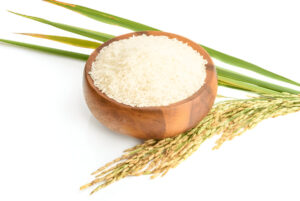
White Rice
White rice is widely consumed, but it undergoes processing that removes germ and bran, fiber, and nutrients. It is easy to digest, making it suitable for people with a sensitive stomach. However, it has a high glycemic index, causing spikes in blood sugar.
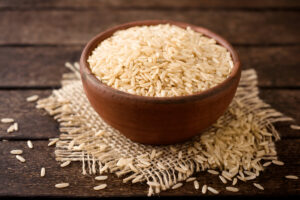
Brown Rice
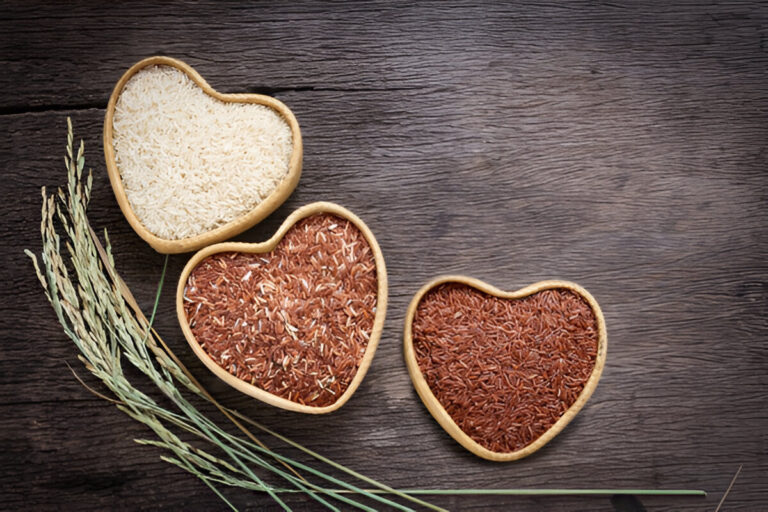
Brown rice is a whole grain that maintains more fiber, vitamins, and minerals, making it a healthy choice. It supports digestion, promotes satisfaction, and helps to handle blood sugar levels. The fiber content keeps you full and aids in weight management for a long time.
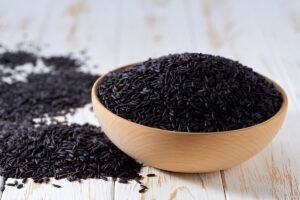
Black Rice
Black rice, also known as prohibited rice, is rich in anthocyanin, similar antioxidants found in blueberries. It has a dark black-violet color and provides anti-inflammatory properties, which is excellent for heart health and brain function.
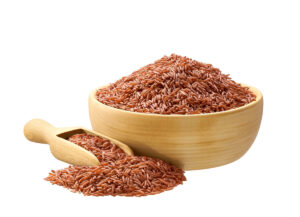
Red Rice
Red rice is packed with iron and zinc, which supports immune health. It also contains high levels of antioxidants that help reduce cholesterol and improve heart health. In addition, it has a unique walnut flavor that improves the dish.
Wild Rice
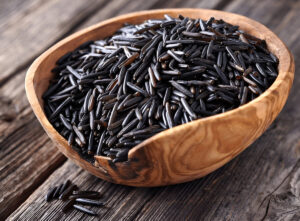
Unlike traditional rice, wild rice is technically a grass seed. It contains fewer calories, more protein, and is filled with fiber. It is a great option for those who can handle the weight without giving up nutrition.
Basmati vs Jasmine Rice: Which is Healthier?
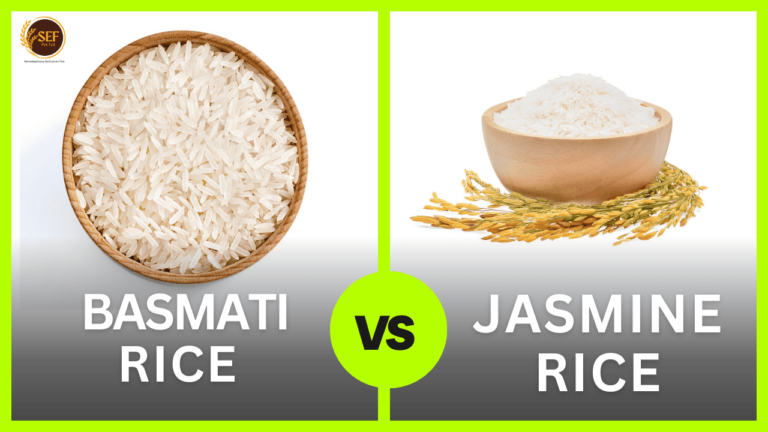
Basmati Rice is a popular variation in India, known for its aromatic aroma and long grains. Compared to Jasmine Rice, Basmati has a low glycemic index (GI), which is better for blood sugar control. Both varieties taste delicious, but basmati is often a healthy choice.
How many calories are in different types of rice?
It is necessary to understand the calorie content of rice, especially if you are focused on weight management. Here is a comparison table:
Rice Calorie Comparison
Type of Rice
Calories (per 100g)
Calories (per 1 cup, ~200g)
White Rice
130 kcal
260 kcal
Brown Rice
111 kcal
222 kcal
Black Rice
145 kcal
290 kcal
Red Rice
109 kcal
218 kcal
Wild Rice
101 kcal
202 kcal
Basmati Rice
120 kcal
240 kcal
Jasmine Rice
130 kcal
260 kcal
Sticky Rice
140 kcal
280 kcal
Best Rice for Weight Loss
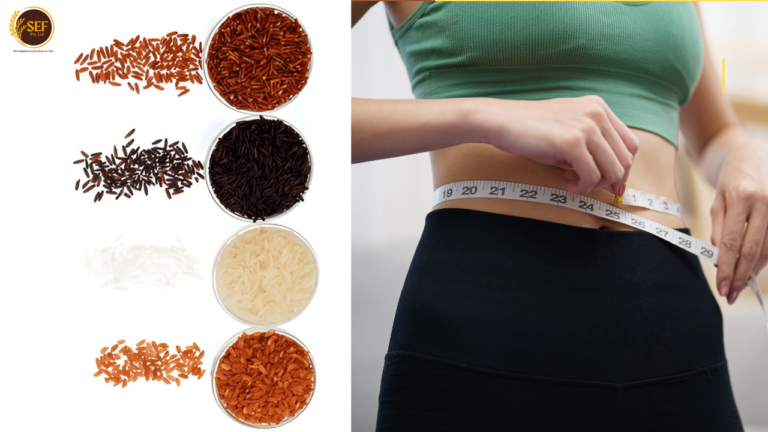
If your goal is weight loss, it is important to choose the best rice for weight loss. Brown rice, wild rice, and red rice are excellent options because they are rich in fiber, stay full for a long time, and prevent more food. Wild rice is especially the lowest calorie material, making it a good choice for a calorie-based diet.
Best Rice for Heart Health
Red rice and black rice are highly recommended for a heart-friendly diet. The best rice for heart health includes red rice, which contains anthocyanin, which reduces bad cholesterol (LDL) and supports heart health. Black rice contains powerful antioxidants that protect against heart disease. In addition, brown rice helps maintain healthy blood pressure levels due to its high magnesium content.
How to Choose the Healthiest Rice for Your Diet?
Choosing the healthiest rice depends on your health goals:
Rice Selection Guide
🍚
For Weight Loss
Choose brown, wild, or red rice.
🩸
For Diabetes
Select basmati or brown rice for better blood sugar control.
❤️
For Heart Health
Go for black or red rice.
🍽️
For Everyday Consumption
Basmati rice is a balanced and nutritious choice.
At Shah Enterprises, we offer a wide variety of rice at the best Sarbati steam basmati rice, ensuring you get quality and nutrition in every grain.
Conclusion
Rice is an essential part of many diets, but healthy selections can have a major impact on your general well-being. Whether you prefer brown rice for fiber, black rice for antioxidants or wild rice for low calories, an ideal rice is a variant for all needs. When buying rice, consider both nutrition and quality. For the best choice in competing Indian rice prices, Trust Shah Enterprises to provide premium rice options.